
Why Smart Managers Underperform
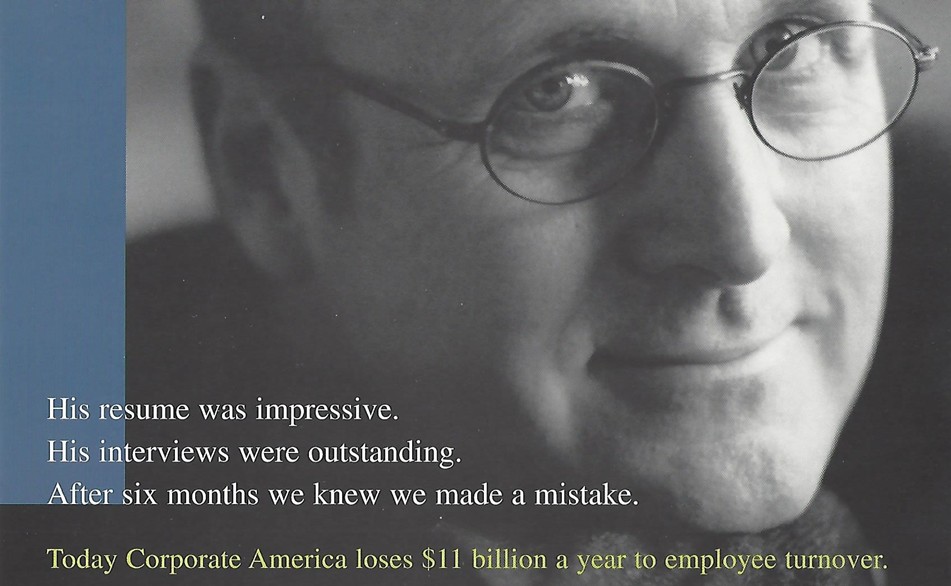
We’ve all been there. After an extensive and thorough search for a line manager, one candidate stood out. This candidate had the right experience, solid qualifications, a relevant work history, and they gave an impressive performance during the interview process. They said the right things, put forward some great ideas, and generally presented very well. You hired them.
Six months later, you begin to question your decision. Your new manager’s team appears disgruntled, morale is low, and output and productivity are well behind figures from previous quarters.
After investigating further and speaking with a few key team members, you realize there’s a disconnect – a mismatch. While the person looked impressive on paper and presented well during one-on-one interviews, your new manager’s style, approach, and behavior on the job are simply inconsistent with the values and expectations of your organization. Their modus operandi is foreign to their colleagues. Your new hire is not a good fit and one or more of the following may be the cause.
- Inadequate capability. Capability refers to the skills, tools, and experience a person needs to successfully perform their job. When any of these factors are missing, there is an increased chance the employee will underperform. It isn’t uncommon for hiring professionals to overlook these basic factors, especially if a candidate has solid academic credentials and comes across as intelligent and confident in a job interview. Furthermore, it’s no secret that most candidates exaggerate their abilities on their résumés and job applications.
- Skills – Did the new manager truly possess the skills required to do their job? If they didn’t, how will you help them acquire those skills and how long do you expect that process to take? Skills training takes time and money and results are never guaranteed unless there is adequate commitment from the manager.
- Tools – Even if the new manager has the skills and experience to do the job, does he or she have the tools to deliver peak performance? For example, a highly skilled and experienced web designer can’t build a website without adequate computer hardware and software. The tools don’t have to be the most up-to-date, but a system that crashes can be incredibly frustrating and unproductive, even to the best performer.
- Experience – Just because an employee has the skills to do a job doesn’t mean that he or she has the experience to apply those skills in his specific position. This is especially true for outside hires from different industries or internal promotions from a different department or division.
- Poor job fit. Too many people fall into the trap of choosing a profession or job that is a bad fit. We are who we are and that is influenced by both our genetics and our early life experiences and it’s almost completely formed by the time we are 20 years old. Rather than trying to understand ourselves so we can choose a calling that builds on our strengths and aligns with our interests, we choose jobs because of parental or peer pressure or societal influences. In other cases, individuals have been promoted because they were a good worker but lack the necessary attributes to be a good manager.
It’s important to understand a person’s innate cognitive ability, behavioral traits, and occupational interest when trying to match them with the right job. Know the job, know what type of person is successful in that job, and then hire those who fit that job. This is easier said than done because it’s difficult to gauge these critical factors in a job interview, but an assessment such as our PXT Select can be extremely helpful to close this gap.
- Fuzzy goals and accountabilities with their subordinates. Employees need to be very clear about their responsibilities and the results their manager expects them to achieve. Daily work and priorities are easily affected by the crisis of the day, new requests, or changes in direction. Failure on the part of the manager in setting and tracking goals keeps his or her employees from focusing on what’s most important to your business. Further, not holding their subordinates accountable virtually ensures work won’t get done correctly or timely.
- Poor relationships with their subordinates. There are six primary Emotional Intelligence factors which, when lacking, harm relationships between a manager and their subordinates (as well as others):
- Self-Awareness – being present when dealing with others and not disconnected
- Awareness of Others – showing empathy toward others instead of indifference
- Authenticity – being genuine instead of being untrustworthy
- Emotional Reasoning – expansive instead of being limited
- Self-Management – resilient versus temperamental
- Inspiring Performance – empowering instead of being indifferent
Managers who don’t demonstrate these EI skills make employees feel as if they don’t belong, that their individual contributions are not valued, and their work is less than meaningful and not aligned to the organization’s purpose and mission.
- Poor relationships with other managers. Managers who understand each other’s preferred styles will better understand how to communicate and work together effectively. Assessing a manager and their counterparts allows them to use objective information about each other so they can work more effectively toward a common goal.
To work effectively with others, our Everything DiSC® on CatalystTM assessment, when combined with its classroom (or virtual) training program, is a personalized learning experience that can benefit every person in the organization in building more effective relationships at work – regardless of title or position
Simple Solutions for These Complex Challenges
Our suite of assessments addresses three of the above challenges. Our PXT Select assessment for selecting top performing individuals, our Emotional Intelligence to measure how well one demonstrates emotionally intelligent leadership behaviors, and our Everything DiSC on Catalyst for team building. We’re here to help, call me at (248) 388-0697 or reach out to us via email at Jim@GreatLakesProfiles.com.